
















 Written by VenRod, interview editor of the Klitty Crew
Litter Boxes: A Practical Guide for Happy Cats
Every notebook I fill has a page called "questions for later." On one of them I once wrote: "Why does a cat ignore a brand-new litter box?" The answer, after plenty of study, is usually simple. The box didn't suit the cat. Here is how to choose litter boxes your cat will accept from day one.
Types of Litter Boxes
- Open trays: the classic design. Easy to access, easy to check and easy to clean.
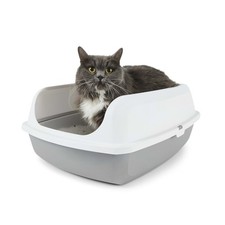
- High-sided boxes: help keep litter inside when a cat digs enthusiastically.
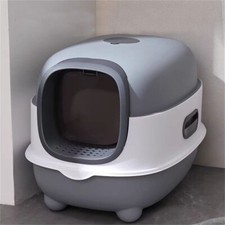
- Hooded or covered boxes: offer privacy and can reduce litter scatter.
- Top-entry boxes: the cat jumps in from above, which can keep litter off the floor.
- Corner boxes: triangular shapes that fit into tight spaces.
- Sifting and self-cleaning systems: designed to separate waste from clean litter with less scooping.
Why the Right Box Matters to Cats
Cats naturally dig, eliminate and cover. It is part of how they keep themselves and their territory tidy. They want a box that feels safe, gives them room to turn around and doesn't trap them in a corner. Some cats love privacy, while others prefer an open view so nobody can surprise them. If a box feels cramped, dirty or awkward, many cats will simply look for another spot.
How to Choose
Size first. Your cat should be able to step in, turn around comfortably and dig without hitting the walls. When in doubt, bigger is usually better.
Entry height. Kittens, senior cats and cats with stiff joints appreciate a low entry. Top-entry designs suit agile adults better.
Materials. Look for sturdy, smooth plastic that doesn't scratch easily, since scratches can trap odors. Check that lids and rims fit securely.
Covered or open. Try to match your cat's personality. If you have several cats, offering both styles can help you learn who likes what.
Automatic boxes. Read the instructions carefully, check the minimum weight requirements and introduce them slowly. Some cats are nervous about moving parts.
Care and Placement Tips
- Scoop daily and wash the box regularly with mild soap and water.
- Put the box in a quiet, easy-to-reach spot, away from food and water bowls.
- In multi-cat homes, give each cat access to its own box in different areas.
- Change one thing at a time, whether it is the box, the litter or the location.
- If your cat starts avoiding the box or strains while using it, ask your vet.
VenRod's closing note: a litter box is not glamorous, I know. But get it right, and you'll find your cat has far fewer complaints for my next interview.
Why free shipping matters
Free shipping means the price you see is the price you pay – no surprises at checkout, and it's much easier to compare deals on litter boxes side by side. That's why every offer on this page ships free. The Klitty Crew does the same: all our KC T-shirts ship free too – take a look in the KC Paw Shop.