















 Written by VenRod, interview editor of the Klitty Crew
Bowls and Feeders: Better Mealtimes for Your Cat
Some of my best interviews with the Klitty Crew happen around dinner time. Cats are more relaxed when they're fed well, and the bowl matters more than most people think. Study first, ask later, so here is my study on cat bowls and feeders.
Types of Bowls and Feeders
- Shallow and wide bowls: designed so whiskers don't brush against the sides while eating.
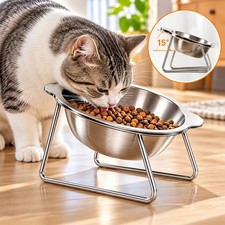
- Raised or elevated bowls: sit on a stand, which some cats find more comfortable.
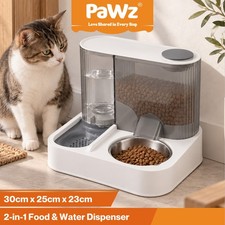
- Double bowls: food and water side by side in one base.
- Slow feeders and puzzle feeders: ridges, mazes or compartments that make cats work a little for their food.
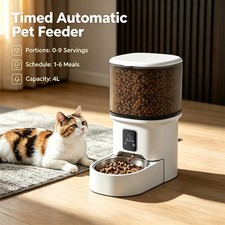
- Automatic feeders: dispense portions on a schedule, helpful for routines and busy days.
- Microchip feeders: open only for a specific cat, useful in multi-pet homes.
Why Cats Care About Their Bowl
Cats are sensitive creatures. Their whiskers are full of nerve endings, and some cats dislike pressing them against narrow bowl walls. Many cats also like to see their surroundings while eating, so they don't feel cornered. Puzzle feeders tap into natural hunting behavior, turning a quick meal into a small, satisfying challenge. And cats love routine, which is where scheduled feeders can shine.
How to Choose
Material: stainless steel and ceramic are popular because they are durable and easy to clean. If you choose ceramic, make sure it's labeled food-safe. Plastic is light and affordable, but it can scratch over time, and scratches are harder to clean.
Shape and size: a shallow, wide bowl suits most cats. Flat-faced breeds often find very shallow or tilted bowls easier to eat from.
Stability: non-slip bases or weighted bowls stop sliding and spills.
Feeders: for automatic feeders, check how easy they are to clean, whether they work with your type of food and whether they have a backup option if the power goes out.
Portions: slow feeders and automatic feeders help with pacing, but ask your vet how much your cat should actually eat.
Care and Safety Tips
- Wash bowls after every meal, especially for wet food.
- Keep food bowls away from the litter box.
- Check bowls for chips or cracks and replace damaged ones.
- Introduce puzzle feeders gradually so your cat doesn't get frustrated.
- If your cat's appetite changes suddenly, ask your vet.
From VenRod's notebook: a bowl is a small thing, but it's set down every single day. Pick one that respects your cat's whiskers and habits, and mealtime becomes the easiest interview of all.
Why free shipping matters
Free shipping means the price you see is the price you pay – no surprises at checkout, and it's much easier to compare deals on bowls & feeders side by side. That's why every offer on this page ships free. The Klitty Crew does the same: all our KC T-shirts ship free too – take a look in the KC Paw Shop.